Dreaming about a South Lake Tahoe cabin usually starts with the fun part: snowy mornings, summer lake days, and that cozy mountain feel you cannot quite recreate anywhere else. What surprises many buyers is that cabin ownership here is not just scenic, it is active. If you are thinking about buying in the Lakeview Tahoe area, this guide will help you understand the day-to-day reality, the seasonal shifts, and the practical responsibilities that come with owning a cabin. Let’s dive in.
Cabin Life Changes With the Seasons
Owning a cabin in South Lake Tahoe means your home does not feel the same in January as it does in July. That is part of the appeal, but it also shapes how you use, maintain, and budget for the property throughout the year.
At the South Lake Tahoe airport station, NOAA reports an annual mean temperature of 44.2°F. January averages about 42.8°F for highs and 18.4°F for lows, while July averages about 80.4°F for highs and 42.5°F for lows. The city also notes that winter temperatures can dip below freezing and even into single digits.
That climate creates a real four-season ownership experience. Warm months often center on lake access, hiking, and trail time, while winter shifts your attention toward snow, driving conditions, heating, and home protection.
Recreation Is Truly Year Round
The South Shore is set up for more than summer visits. According to the Forest Service, the area offers water activities, hiking, horseback riding, mountain biking, downhill skiing, snowboarding, cross-country skiing, snowshoeing, and snowmobiling.
That variety is a big reason people buy cabins here. Your property can serve as a summer basecamp, a winter retreat, and a place to enjoy the shoulder seasons in between.
Winter Closures Affect Access
The same four-season setting that makes Tahoe special also creates limitations. The Forest Service notes that some national forest roads and facilities close during winter.
In practical terms, that means your favorite warm-weather route or recreation area may not be available year round. A cabin here works best when you enjoy adapting your plans with the season rather than expecting every month to feel the same.
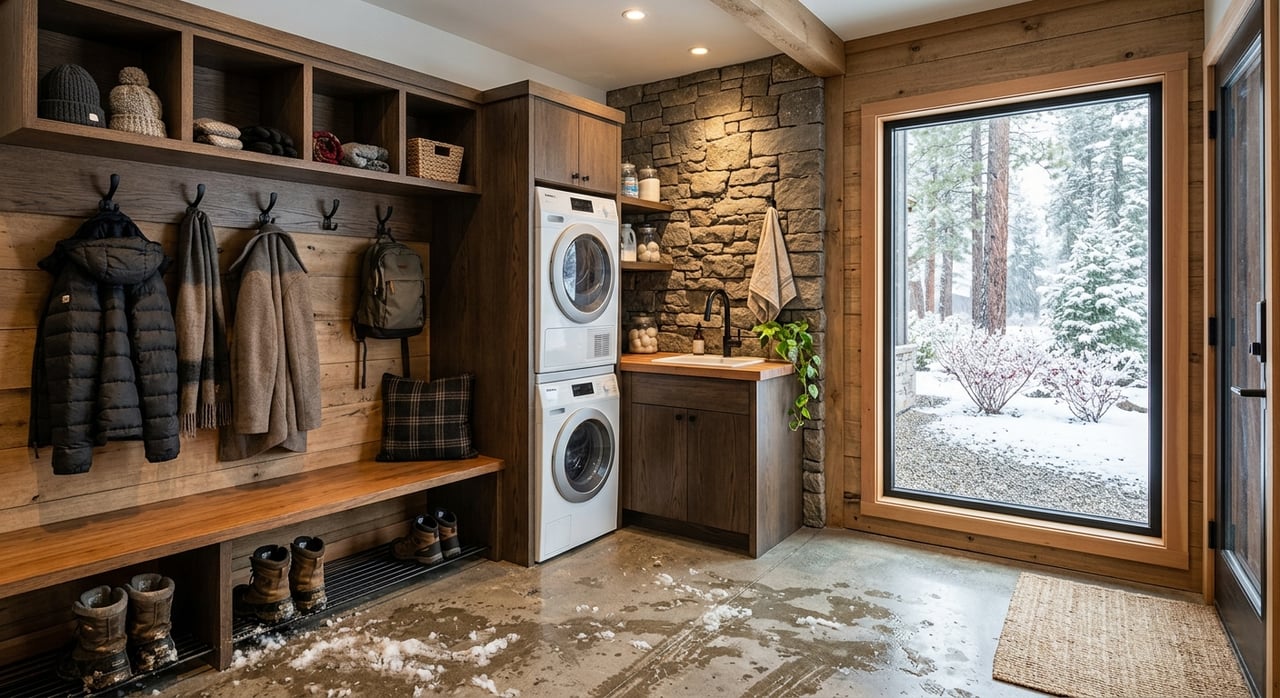
Winter Ownership Is Hands On
One of the biggest adjustments for second-home buyers is realizing that snow is not an occasional inconvenience in South Lake Tahoe. It is part of the ownership routine.
The City of South Lake Tahoe uses GPS-equipped snowplows with near-real-time tracking, which shows how seriously local winter operations are handled. Still, public plowing does not remove the owner’s responsibilities at the property itself.
Snow Removal Is Your Responsibility Too
City code requires property owners and tenants next to city right-of-way to keep sidewalks and walkways substantially clear of snow and ice within 12 hours after a snow event. If you own a cabin, that is not optional maintenance. It is part of staying compliant.
The city also says it is not liable for snow-removal damage to items placed in the right-of-way or not properly marked, including cars, mailboxes, fences, retaining walls, or bear boxes. That makes exterior placement and winter prep more important than many first-time cabin buyers expect.
Road Conditions Need Daily Attention
Winter travel in Tahoe takes planning. The city directs residents to road-condition resources, and Caltrans says drivers in mountain areas may face traction chain controls and must carry chains when entering chain-control areas.
If your cabin is a weekend getaway or part-time home, access planning matters just as much as the home itself. Storm timing, chain requirements, and driveway conditions can all affect when and how you arrive.
Winterizing Is Ongoing, Not One Time
Cabin ownership in South Lake Tahoe includes routine cold-weather prep. City utility guidance recommends steps such as:
- Draining outdoor hoses
- Insulating exposed pipes
- Sealing holes and cracks around walls and foundations
- Draining irrigation systems
- Knowing where your home shutoff valve is located
- Opening faucets slightly if indoor temperature falls to 55°F or below
If you will not be at the property full time, you need a system for check-ins and seasonal maintenance. Pipes, snow buildup, and freezing temperatures do not pause when you are away.
Wildlife Becomes Part of Daily Habits
A cabin in South Lake Tahoe puts you close to nature, and that includes wildlife management. Bear awareness is not a rare concern here. It is part of normal ownership.
The city states clearly that the community was established in bear territory. The Forest Service also describes the Lake Tahoe Basin as bear country and says food and garbage should be stored properly.
Trash Rules Matter
The city asks residents to place trash curbside only after 6 a.m. and not leave trash out overnight. It also requires the use of bear-resistant containers.
For cabin owners, this affects everyday habits and guest planning. If the home is used seasonally or shared with visitors, everyone needs to understand the trash routine so you do not create avoidable wildlife issues.
Wildfire Prep Is Part of Ownership
Wildfire readiness is another major part of owning property in this area. This is not just a summer issue. It is a year-round ownership responsibility tied to maintenance, insurance, and resale.
Inside South Lake Tahoe city limits, properties must have nothing combustible within 0 to 5 feet of a structure. The city also states that open burning is not allowed and fireworks are never allowed anywhere in the basin.
Defensible Space Rules Vary by Location
This is where local boundaries matter. The research for this topic notes that homeowners in incorporated South Lake Tahoe should contact the city for defensible-space questions, while El Dorado County has separate rules for unincorporated areas.
If you are buying in the Lakeview Tahoe area, you want to confirm whether the property is inside city limits or in an unincorporated area. That detail can affect which rules and contacts apply.
Home Hardening Can Affect Risk and Cost
CAL FIRE says the foundation of wildfire readiness is defensible space plus home hardening. It defines home hardening as using construction features, materials, and maintenance practices that improve resistance to ignition from flames, radiant heat, and embers.
This matters for both ownership costs and long-term planning. If you are evaluating a cabin, features and upkeep related to wildfire resistance may play a role in your maintenance budget and insurance approach.
Some Sales Require Extra Documentation
The city notes that AB 38 requires defensible-space documentation for qualifying sales in high or very high fire-hazard zones. That means wildfire compliance is not only an ownership issue. It can also become part of the transaction process when you buy or sell.
This is one reason it helps to work with an agent who can walk you through the local details step by step. A mountain property often comes with more moving parts than a typical primary home purchase.
The Budget Goes Beyond the Mortgage
The cabin lifestyle can be incredibly rewarding, but the financial picture is broader than the purchase price. A realistic budget should account for seasonal and location-specific costs that come with mountain ownership.
Based on the research, owners should plan for heating, snow removal, plumbing freeze protection, wildfire mitigation, and insurance. These are not edge-case expenses. They are part of the normal cost of owning a cabin in South Lake Tahoe.
Insurance Needs Extra Attention
The California Department of Insurance says wildfire mitigation can qualify policyholders for wildfire discounts. It also notes that the FAIR Plan serves as California’s insurer of last resort.
That does not mean every owner will face the same path, but it does mean insurance should be an early part of your buying conversation. In a market like Tahoe, insurability and mitigation planning can be just as important as layout, views, or proximity to recreation.
Short-Term Rental Rules Are Specific
If you are thinking about offsetting costs with a vacation rental, you need to look closely at city rules before you buy. In South Lake Tahoe, short-term rental use is heavily regulated.
The city requires a valid VHR permit, annual renewal, transient occupancy tax, and occupancy limits tied to parking and bedrooms. It also bans commercial activities such as weddings and large parties.
Quiet Hours Are Strict
For vacation home rentals, quiet hours run from 10 p.m. to 8 a.m. The city also states that hot tubs cannot be used during those same hours.
These rules matter because they affect how the property can actually function if rental income is part of your plan. Hosted rentals are also treated differently from whole-dwelling vacation home rentals, so the property’s setup and your intended use both matter.
What Cabin Ownership Really Feels Like
The simplest way to describe owning a cabin in South Lake Tahoe is this: it is rewarding, but it is active. You get access to a strong sense of place, true four-season living, and recreation throughout the year.
In return, you take on recurring work tied to snow, freezing temperatures, access planning, wildlife, wildfire prep, and local compliance. For many owners, that tradeoff is worth it. The key is going in with clear expectations.
If you are considering a second home or recreation property in the Tahoe area, the best first step is to understand how you plan to use it. A cabin that fits your lifestyle, your budget, and your comfort level with seasonal responsibilities is much more likely to feel like a smart purchase long term.
If you want help evaluating South Lake Tahoe cabins with both lifestyle and practicality in mind, Cristal Morris can guide you through the details and help you make a confident next move.
FAQs
What is cabin ownership like in South Lake Tahoe year round?
- Cabin ownership in South Lake Tahoe is a four-season experience that shifts with the weather, with warmer months often focused on lake and trail use and winter centered on snow management, heating, and access planning.
What winter responsibilities come with owning a cabin in South Lake Tahoe?
- Owners may need to clear sidewalks and walkways after snow events, winterize plumbing, monitor freezing temperatures, plan for chain controls, and create a check-in system if the cabin sits vacant part of the year.
What bear-related rules should South Lake Tahoe cabin owners know?
- The city asks residents to use bear-resistant containers, place trash curbside only after 6 a.m., and never leave trash out overnight because the area is established bear territory.
What wildfire rules affect cabins in South Lake Tahoe?
- Inside city limits, properties must keep the first 0 to 5 feet around a structure free of combustible materials, and owners must follow local defensible-space and fire-prevention rules, which can vary by jurisdiction.
What should buyers budget for with a South Lake Tahoe cabin?
- Buyers should look beyond the mortgage and plan for heating, snow removal, freeze protection, wildfire mitigation, insurance, and ongoing seasonal maintenance.
What are the short-term rental rules for a South Lake Tahoe cabin?
- If a cabin is used as a vacation home rental, the city requires a permit, annual renewal, occupancy limits, transient occupancy tax, and compliance with quiet-hour and use restrictions.