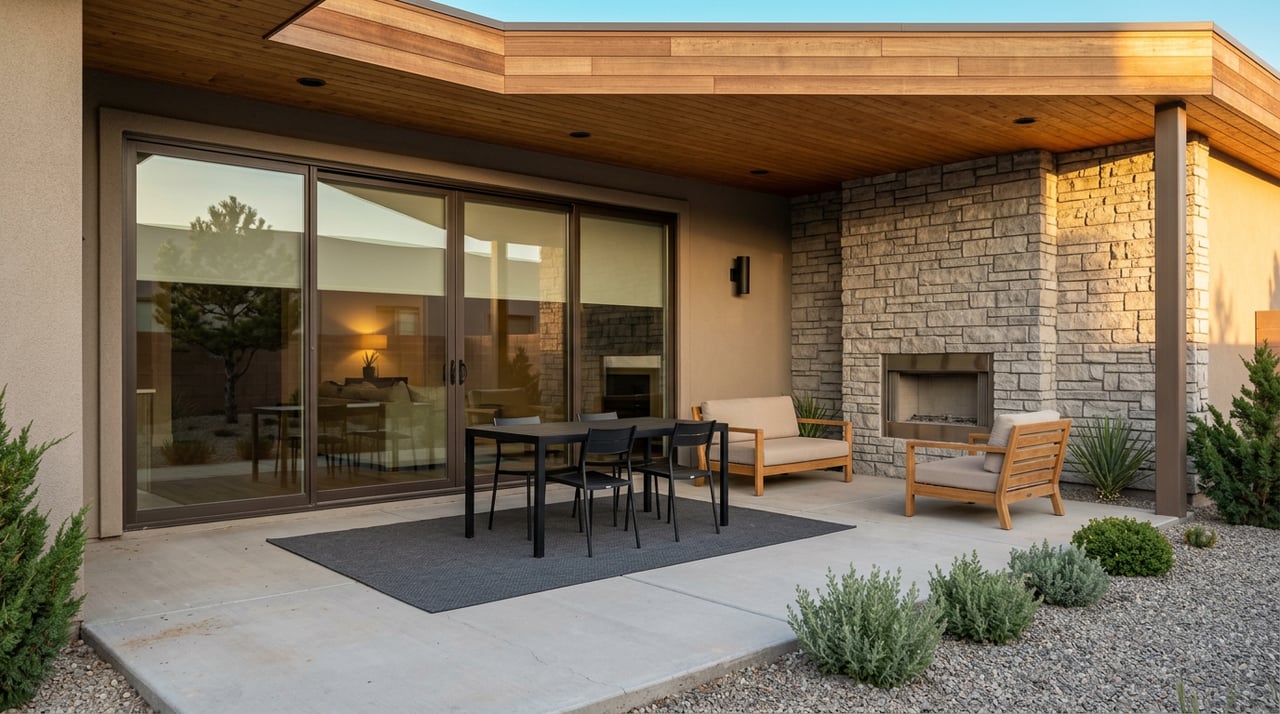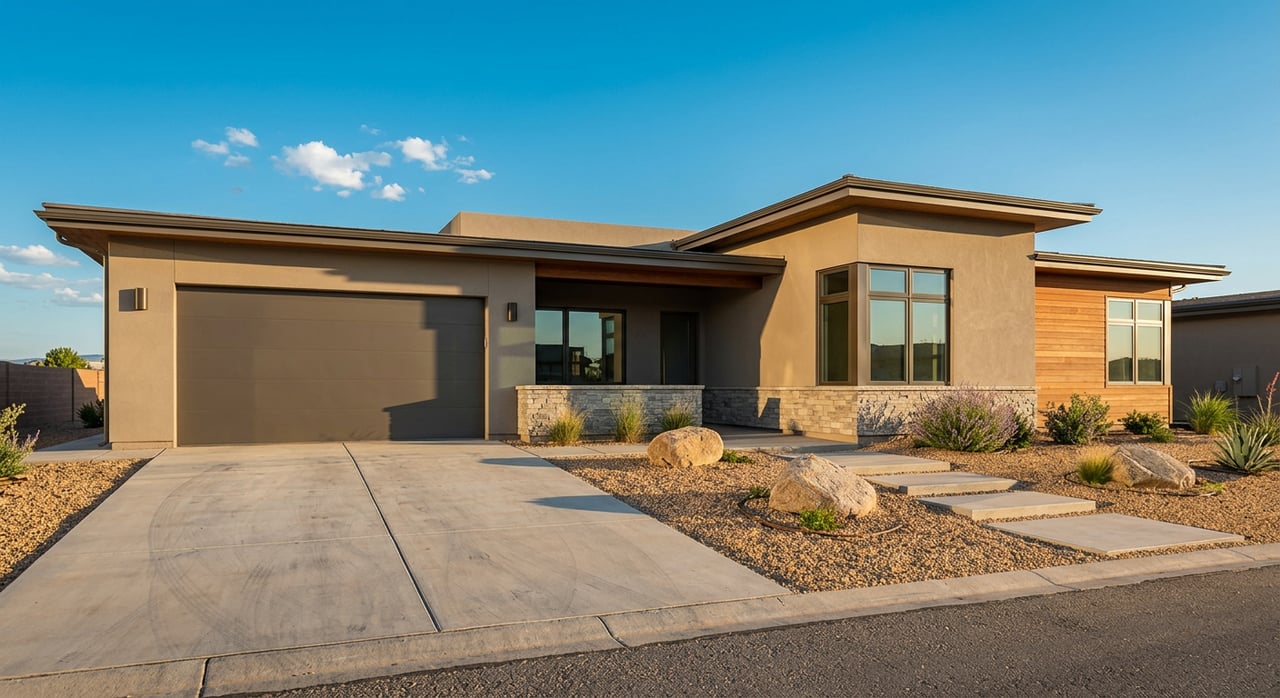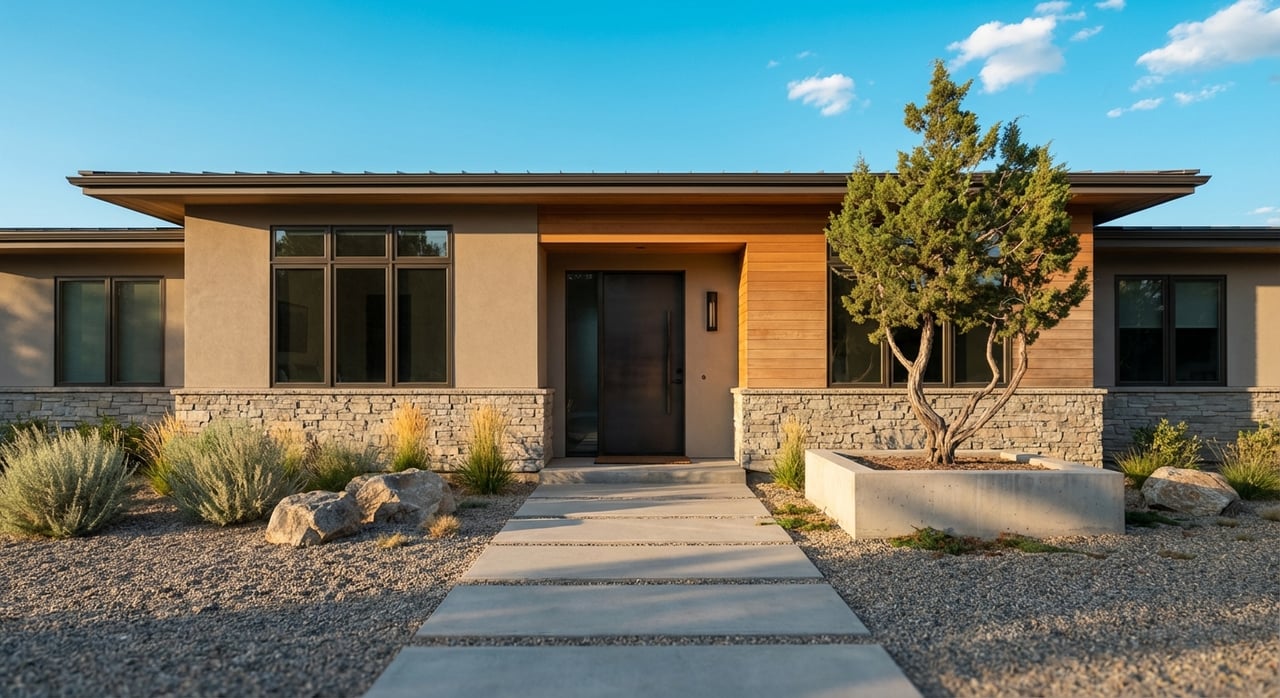
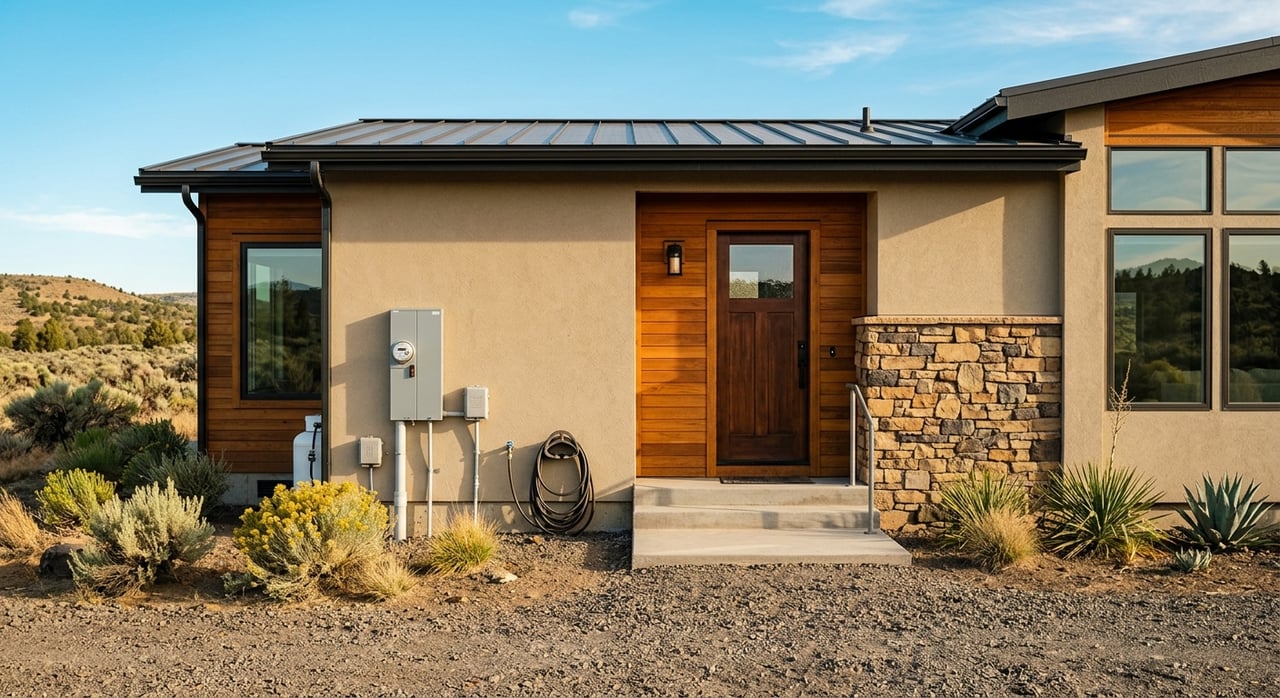
Thinking about buying land or a manufactured home in Silver Springs? It can be a smart path to more space, more flexibility, and a price point that may feel more reachable, but it also comes with extra steps that many buyers do not expect. If you are looking at vacant parcels, standalone manufactured-home lots, or homes that may need to be converted to real property, you need clear answers before you close. This guide will help you understand the rules, due diligence, and timeline that matter most in Silver Springs. Let’s dive in.
What You’ll See in Silver Springs
Silver Springs offers a mix of property types, which is part of what makes the area appealing to buyers who want options. According to Lyon County land use planning materials, you may come across vacant land, already-improved residential lots, rural acreage, and residential parcels in different land-use categories.
That variety matters because not every parcel works the same way. Some properties are located in more traditional residential settings, while others fall into rural zoning districts where acreage, access, and utility planning become a bigger part of the purchase decision.
Why Property Type Matters
If you are shopping for a manufactured home in Silver Springs, the first thing to clarify is what kind of property you are actually buying. Lyon County distinguishes between manufactured-home lots, manufactured-home parks, and homes that have already been converted to real property, and each one can follow a different title, permit, and setup path according to the county’s manufactured housing information letter.
That means two homes that look similar online may involve very different financing, title, and approval steps. Before you write an offer, it helps to confirm whether the home is personal property, real property, or a setup that still needs conversion work.
Manufactured-Home Rules to Know
Lyon County has specific standards for bringing a manufactured home onto a lot. Based on the county’s manufactured-home rules, manufactured homes may be used as single-family dwellings in most residential zoning districts only if they are HUD-certified and no more than 6 years old when moved.
The county also requires:
- One manufactured residence per parcel
- At least 1,200 square feet
- More than one section, unless a minor administrative variance applies
The same county guidance notes that manufactured homes are prohibited in designated historic districts and may also be restricted by subdivision CC&Rs. That is why zoning review alone is not enough. You also want to verify any private subdivision restrictions tied to the parcel.
When Older Manufactured Homes May Work
There are some exceptions for older homes in certain non-subdivision settings. Under Lyon County code, homes older than 6 years may still be allowed in SR-1, SR-2, RR, AG, and NIA districts if they are inspected and certified as meeting life-safety requirements.
This is one of the reasons land and manufactured-home purchases need a careful review early in the process. A property that seems fine at first glance may still require inspections, certifications, or additional approvals before your plan can move forward.
Land Due Diligence Comes First
When you buy land in Silver Springs, the real question is not just whether you like the parcel. The question is whether the parcel supports the exact use you want.
A strong due-diligence review should answer a few key points before closing:
- Does the zoning allow the home type you want?
- Are there subdivision CC&Rs that limit placement?
- Is legal access documented?
- Are water and sewer or septic options already addressed?
- Will floodplain or grading rules affect your build plan?
- If you want a manufactured home, will conversion to real property be required?
These are the practical questions created by county and state rules, and they can affect cost, financing, and timing.
Water, Sewer, Septic, and Utility Checks
Utility planning is one of the biggest parts of buying land in Silver Springs. Lyon County states in its residential information letter that new residential permit applications cannot be accepted unless water and sewer arrangements are already addressed.
Depending on the parcel, that may mean providing:
- A will-serve letter from the utility district
- A well-driller contract
- A septic application with perc-test data
- Proof of existing utilities
The county also notes that sewer and water facilities must be on the same lot, and a single-family residence cannot share a domestic water well. In other words, utility questions should be answered before you count on a parcel working for your plans.
Silver Springs Utilities Are Parcel Specific
Silver Springs does not have a one-size-fits-all utility setup. Lyon County notes on its utilities page that it provides sewer service in Silver Springs, while Silver Springs Mutual Water Company identifies itself as a private nonprofit water company serving the area.
That mixed setup is why parcel-by-parcel verification matters. In some cases, county materials also indicate that Silver Springs Mutual Water Company may need to sign off on applications, so it is important to confirm utility availability directly and early.
If Public Sewer Is Not Available
If a parcel does not connect to public sewer, on-site sewage rules may apply. Nevada’s Onsite Sewage Disposal System program governs on-site systems for domestic sewage, and Lyon County notes that failed residential leach fields must be replaced, inspected, and approved under county permit.
For buyers, that means septic is not something to treat as a minor detail. It can affect both your upfront budget and your approval timeline.
Access Is a Bigger Issue Than Many Buyers Expect
Access is one of the most overlooked parts of buying vacant land. Lyon County’s mapping office guidance says parcel maps are for assessment purposes only and do not determine whether a parcel has access.
That means you need to research access through the Recorder’s Office rather than assume the map tells the full story. If a parcel depends on county roads or state highways, you may also need a road-encroachment permit from Lyon County or NDOT, and NDOT states that no use of a state roadway is authorized until the encroachment permit is approved.
Permits and Installation Steps
Manufactured-home purchases in Silver Springs involve both county and state oversight. Lyon County requires an installation permit before the home is brought onto the lot, and the county’s manufactured housing guidance says the Nevada Manufactured Housing Division is the primary state authority for permits, inspections, and safety sealing.
The same guidance explains that setup planning should account for zoning, septic, electrical, access, soil, foundation, and utility hookup requirements. This is why a manufactured-home purchase is often more like a multi-step project than a simple home closing.
Utility Activation Happens Later
One detail surprises many buyers: utilities cannot simply be turned on as soon as the home is delivered. Under Nevada law, plumbing, heating, cooling, fuel-burning, and electrical systems may not be connected or activated until a certificate of installation has been issued and a label of installation has been affixed.
Lyon County also states that the county inspector will not approve power until the state inspector has issued the necessary approval. So if you are trying to estimate move-in timing, utility activation needs to be part of that conversation from the start.
Conversion to Real Property
If the manufactured home qualifies for conversion, Lyon County requires an agreement to convert it to real property before issuing the installation permit, according to the county’s manufactured-home information letter. The county also says the home must be permanently affixed and the running gear removed.
This matters because conversion can affect both financing and title. If you are buying land plus a manufactured home, it helps to work with professionals who understand how installation, conversion, and final approvals fit together.
Floodplain, Grading, and Site Prep
Some Silver Springs parcels need more than a basic building permit. Lyon County’s residential permit guidance states that floodplain development approval is required before a building permit in FEMA special flood-hazard areas, and mixed flood zones follow the most restrictive standard.
The county also says that mass grading beyond basic excavation for building and utility lines requires a permit and civil-engineer plans. If a parcel needs significant site work, that can add both time and cost before construction or installation begins.
Wildfire Risk Is Worth Reviewing
Even if a parcel appears buildable, environmental risk still matters. Nevada emergency-planning materials identify fire as a risk for all development in Lyon County because of the area’s high-desert climate and vegetation, according to the Lyon County Hazard Mitigation Plan.
For buyers, that means it is smart to ask early about insurance, defensible space, and any site conditions that could affect long-term ownership costs.
A Realistic Silver Springs Timeline
Land and manufactured-home purchases often take longer than buyers expect because the process runs through multiple offices. Lyon County notes in its residential information letter that incomplete applications cannot be accepted, and permit costs may include taxes, plan review, inspections, and separate utility or road-access fees.
A practical sequence usually looks like this:
- Confirm zoning and review any CC&Rs
- Verify legal access
- Confirm water, sewer, septic, or well documentation
- Submit a complete permit packet
- Complete state manufactured-housing inspection and county review
- Finalize utility approvals and activation
- Obtain certificate of occupancy before move-in
That order reflects the process created by county and state requirements. It also explains why early planning can save you time, money, and frustration.
Building the Right Buyer Team
In Silver Springs, the right team can make a huge difference. Based on the county’s permit structure and due-diligence requirements, buyers often benefit from working with a real estate agent, title and escrow professionals, a surveyor, a lender and installer familiar with land-plus-home transactions, and, when needed, a civil engineer or septic and well specialists.
If you are a first-time buyer or relocating from outside the area, this kind of purchase can feel like a lot to manage. Having patient, step-by-step guidance matters, especially when the property involves zoning review, utility verification, title questions, and permit coordination.
How to Buy Smarter in Silver Springs
If you are considering land or a manufactured home in Silver Springs, the best move is to slow down before you speed up. A low price can look attractive, but the real cost depends on whether the parcel supports your plan, what permits are required, and how much site work is needed.
With the right due diligence, Silver Springs can offer real opportunity for buyers who want flexibility, space, or an alternative path to homeownership. If you want a local guide who will walk you through the process step by step and help you ask the right questions before you commit, reach out to Cristal Morris to schedule a consultation.
FAQs
What should you verify before buying land in Silver Springs?
- You should confirm zoning, CC&Rs, legal access, water and sewer or septic options, floodplain issues, and whether the parcel supports the exact home type you want.
What are the main manufactured-home rules in Silver Springs?
- Lyon County generally requires a HUD-certified manufactured home that is no more than 6 years old when moved, at least 1,200 square feet, and made of more than one section, unless an allowed exception applies.
What utility documents may be needed for a Silver Springs land purchase?
- Depending on the parcel, you may need a will-serve letter, well-driller contract, septic application with perc-test data, or proof of existing utility service before a residential permit application can be accepted.
What does access research involve for Silver Springs parcels?
- Lyon County says parcel maps do not determine legal access, so buyers need to research access through the Recorder’s Office and check whether a county or state road-encroachment permit is required.
What happens before utilities can be turned on for a manufactured home in Silver Springs?
- Nevada requires a certificate of installation and installation label before systems like electrical, plumbing, heating, cooling, and fuel-burning connections can be activated.
What is required to move into a manufactured home in Silver Springs?
- You cannot occupy the home until the required installation approvals are complete and the building official issues a certificate of occupancy, except in limited temporary circumstances by request.